



FP
Prostaglandin receptor FP (PTGFR) is a rhodopsin-like G protein-coupled receptor that binds prostaglandin F2α (PGF2α) and mediates contractile and remodeling responses in multiple tissues[1][2]. Upon activation, FP primarily couples to Gq-dependent signaling, triggering phospholipase C activation, intracellular Ca2+ mobilization, protein kinase C signaling, and downstream MAPK-related pathways that regulate cellular contraction, proliferation, and gene expression[1][3]. These signaling mechanisms are particularly important in smooth muscle-containing tissues, including the uterus, where FP functions as a contractile prostanoid receptor and contributes to physiological responses associated with PGF2α signaling[1][2]. In disease and experimental models, FP signaling has been linked to regulation of intraocular pressure, cardiovascular function, vascular remodeling, and bone turnover, making the receptor a useful target for mechanistic studies of prostanoid biology[1][4]. Compared with related prostanoid receptor isoforms that preferentially recognize other prostaglandins, FP exhibits highest responsiveness to PGF2α and is encoded by alternatively spliced transcript variants that generate the FPA and FPB isoforms with distinct C-terminal regions[1][2]. For experimental and translational applications, selective FP agonists including latanoprost, travoprost, tafluprost, and fluprostenol are widely used to activate FP signaling, particularly in ocular research and glaucoma models where enhanced aqueous humor outflow lowers intraocular pressure[1][4]. Collectively, the PGF2α-FP axis represents a well-characterized prostanoid signaling pathway with broad utility for studying receptor-mediated contraction, tissue remodeling, and therapeutic modulation of prostaglandin responses[1][3][4].
References:
- [1]. Rabezanahary H, et al. Live virus neutralizing antibodies against pre and post Omicron strains in food and retail workers in Québec, Canada. Heliyon. 2024 May 21;10(10):e31026. [Content Brief]
- [2]. Woodward DF, et al. International Union of Basic and Clinical Pharmacology. LXXXIII: classification of prostanoid receptors, updating 15 years of progress. Pharmacol Rev. 2011 Sep;63(3):471-538. [Content Brief]
-
FP 관련 제품 (38)
관련 제품 (38)

- 1
- 2
-
Dinoprost
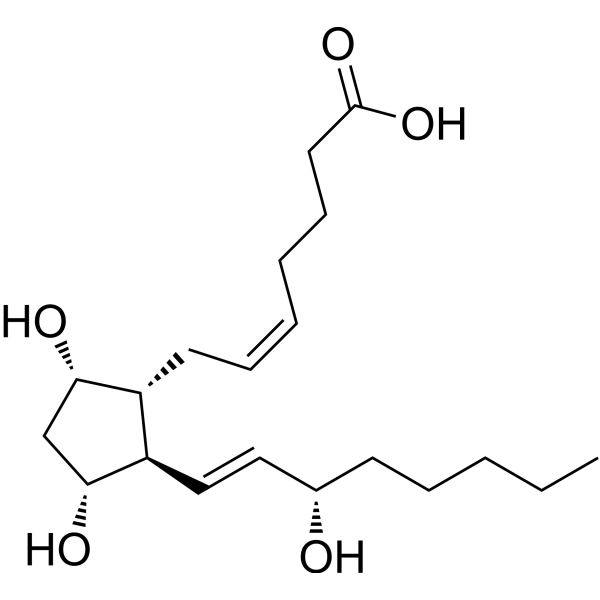 0 ImagesDinoprost (Prostaglandin F2α) is an orally active, potent prostaglandin F (PGF) receptor (FP receptor) agonist. Dinoprost is a luteolytic hormone produced locally in the endometrial luminal epithelium and corpus luteum (CL). Dinoprost plays a key role in the onset and progression of labour.
-
ONO-AE3-208
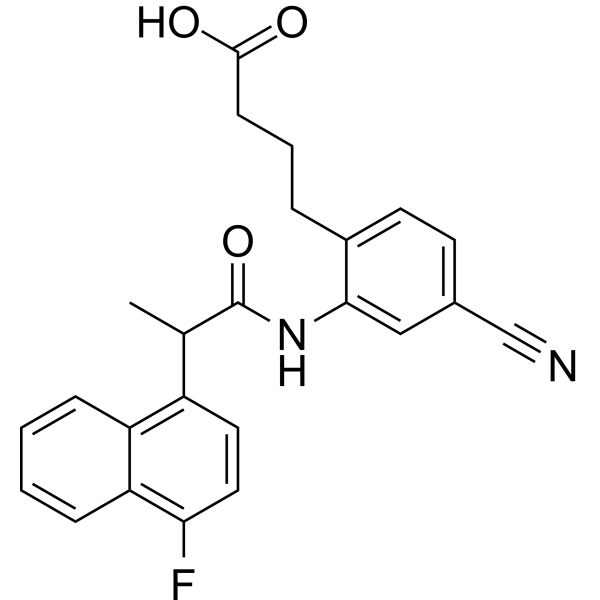 0 ImagesSynonyms: AE 3-208ONO-AE3-208 is a selective and orally active EP4 receptor antagonist with a Ki of 1.3 nM. ONO-AE3-208 shows less potently affects EP3, FP, and TP receptors (Ki of 30 nM, 790 nM, and 2400 nM, respectively). ONO-AE3-208 suppresses cell invasion, migration, and metastasis of prostate cancer.
-
Treprostinil
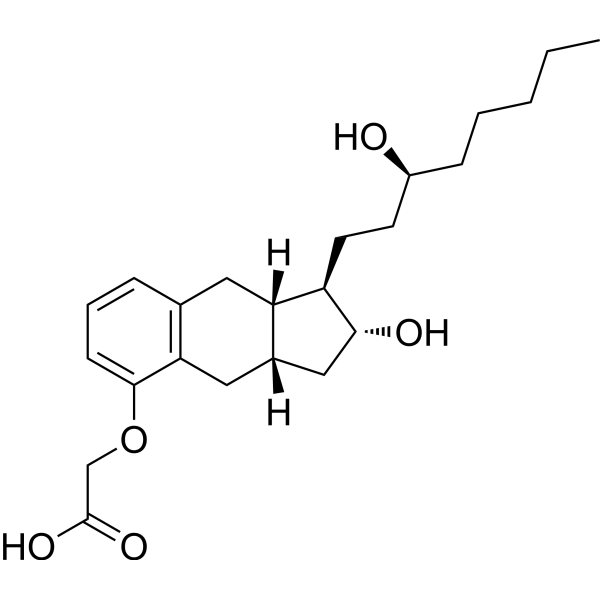 0 ImagesSynonyms: UT-15Treprostinil (UT-15) is a potent DP1 and EP2 agonist with EC50 values of 0.6±0.1 and 6.2±1.2 nM, respectively.
-
Latanoprost
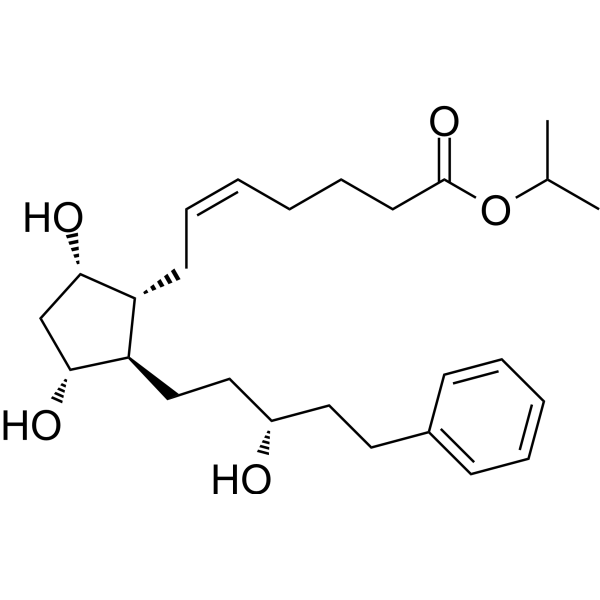 0 ImagesSynonyms: PHXA41Latanoprost (PHXA41) is a prostaglandin F2α analogue and can be used for glaucoma research. Latanoprost can effectively pass through cornea and be hydrolyzed by esterase to latanoprost acid. latanoprost acid is an F-prostaglandin (FP) receptor agonist, and can effectively reduce intraocular pressure (IOP) by increasing the outflow of aqueous humor through uvea.
-
Travoprost
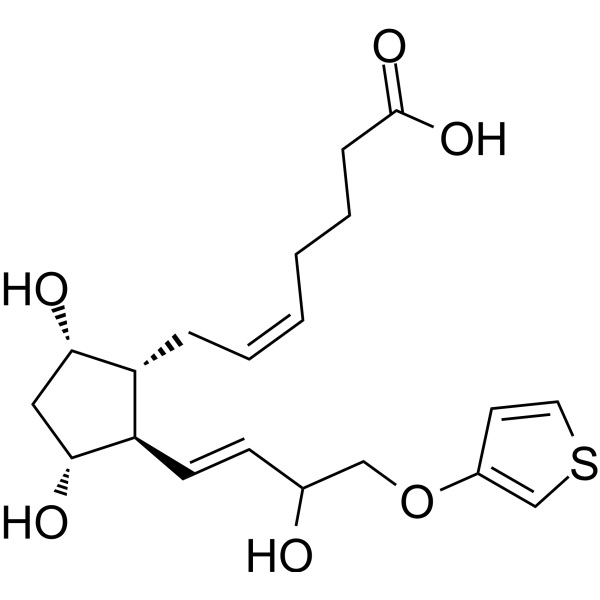
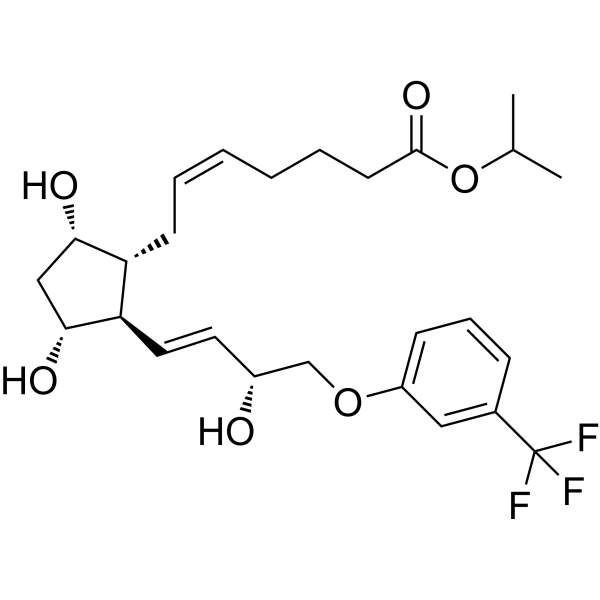 0 ImagesSynonyms: Fluprostenol isopropyl ester; AL6221; Flu-IprTravoprost (Fluprostenol isopropyl ester), an isopropyl ester proagent, is a high affinity, selective FP prostaglandin full receptor agonist. Travoprost has the ocular hypotensive efficacy and has the potential for glaucoma and ocular hypertension.
-
Travoprost (Standard)
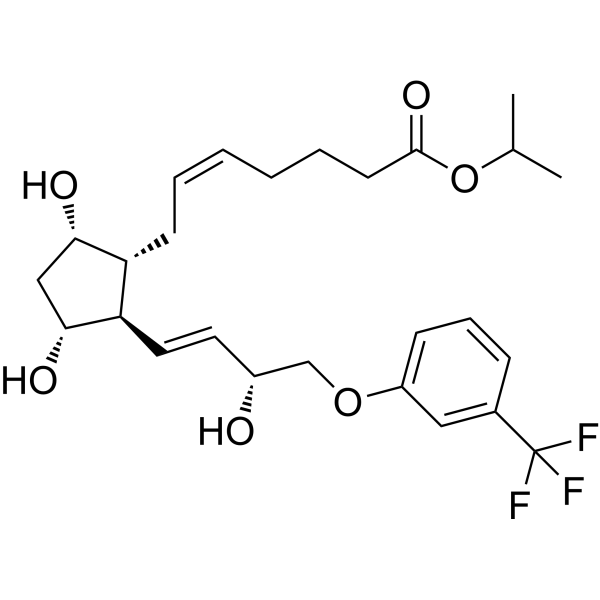 0 ImagesSynonyms: Fluprostenol isopropyl ester(Standard); AL6221(Standard); Flu-Ipr (Standard)Travoprost (Standard) is the analytical standard of Travoprost. This product is intended for research and analytical applications. Travoprost (Fluprostenol isopropyl ester), an isopropyl ester proagent, is a high affinity, selective FP prostaglandin full receptor agonist. Travoprost has the ocular hypotensive efficacy and has the potential for glaucoma and ocular hypertension.
-
AGN 225660
 0 ImagesCat. No.: HY-183037CAS No.: 1354060-46-0AGN 225660 is a multi-prostanoid receptor antagonist with human IC50 values of 70, 70, 5, 220 and 180 nM for EP1, EP4, TP, DP1, FP. AGN 225660 inhibits secretion of RANTES, IL-8, MCP-1, IL-12p70, and IL-23. AGN 225660 exhibits good ocular bioavailability and reduces ocular inflammation linked to phacoemulsification surgery and uveitis.
-
Latanoprost acid
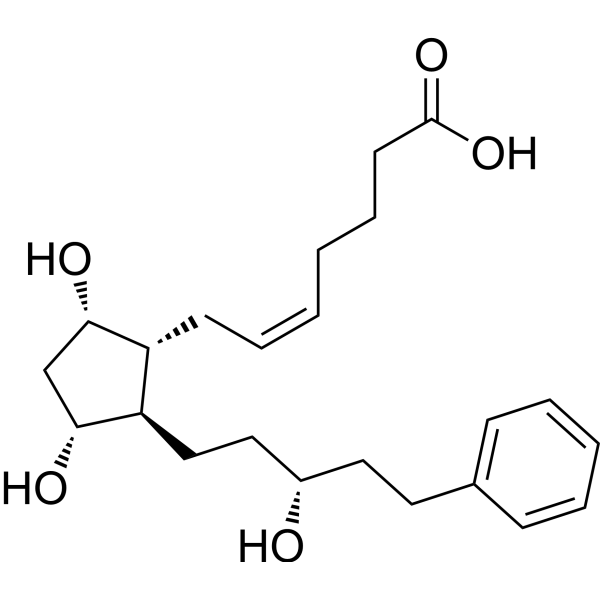 0 ImagesLatanoprost acid, an analog of prostaglandin (PG) F2α, is an selective prostanoid receptor (FP) agonist that specifically activates the FP-PG receptor. Latanoprost acid inhibits RANKL-induced osteoclastgenesis and function by inhibiting ERK, AKT, JNK, and p38 cascade, following by the c-fos/NFATc1 pathway. Latanoprost acid is a medication which works to lower pressure inside the eyes.
-
Prostaglandin J2
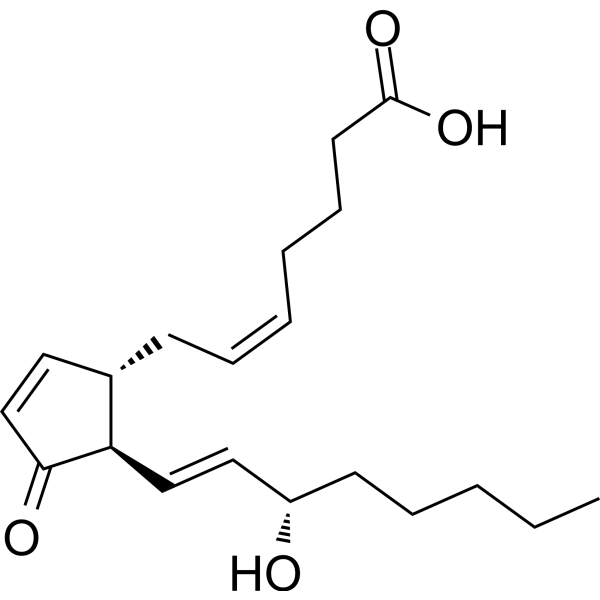 0 ImagesSynonyms: PGJ2Prostaglandin J2 (PGJ2), an endogenous metabolite of Prostaglandin D2 (PGD2; HY-101988), is a potent PGD2 receptor (DP) agonist with Kis of 0.9 nM and 6.6 nM for hDP and hCRTH2, respectively. Prostaglandin J2 stimulates intracellular cyclic AMP production with an EC50 value of 1.2 nM. Prostaglandin J2 induces oxidative stress and neuronal apoptosis. Prostaglandin J2 induces the accumulation/aggregation of ubiquitinated (Ub) proteins. Prostaglandin J2 is highly neurotoxic and potentially contributes to many neurodegenerative conditions, including Alzheimer's (AD) and Parkinson's diseases (PD).
-
Treprostinil sodium
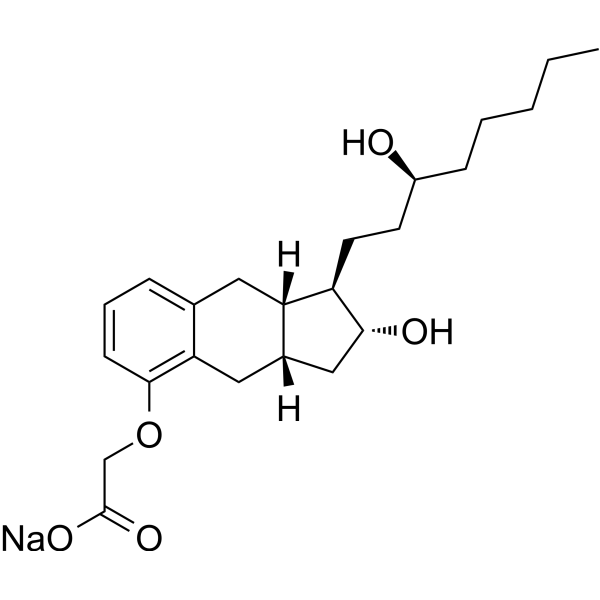 0 ImagesSynonyms: UT-15 sodiumTreprostinil (UT-15) sodium is a potent DP1 and EP2 agonist with EC50 values of 0.6±0.1 and 6.2±1.2 nM, respectively.
-
Dinoprost-d4
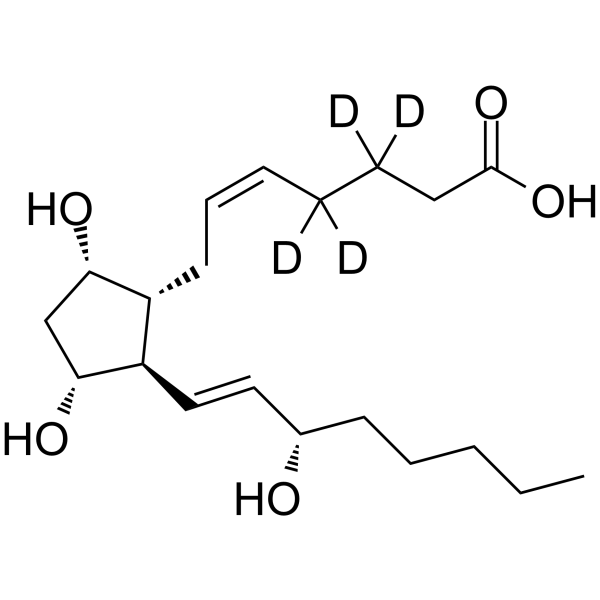 0 ImagesSynonyms: Prostaglandin F2a-d4; PGF2α-d4Dinoprost-d4 is the deuterium labeled Dinoprost. Dinoprost (Prostaglandin F2α) is an orally active, potent prostaglandin F (PGF) receptor (FP receptor) agonist. Dinoprost is a luteolytic hormone produced locally in the endometrial luminal epithelium and corpus luteum (CL). Dinoprost plays a key role in the onset and progression of labour.
-
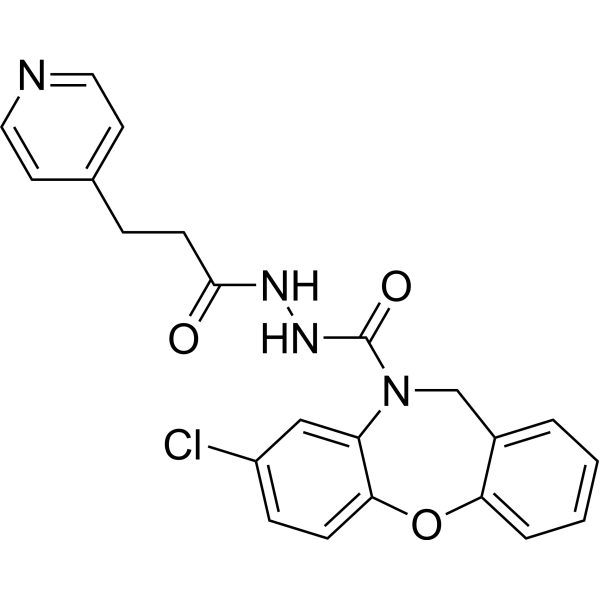
(+)-Cloprostenol
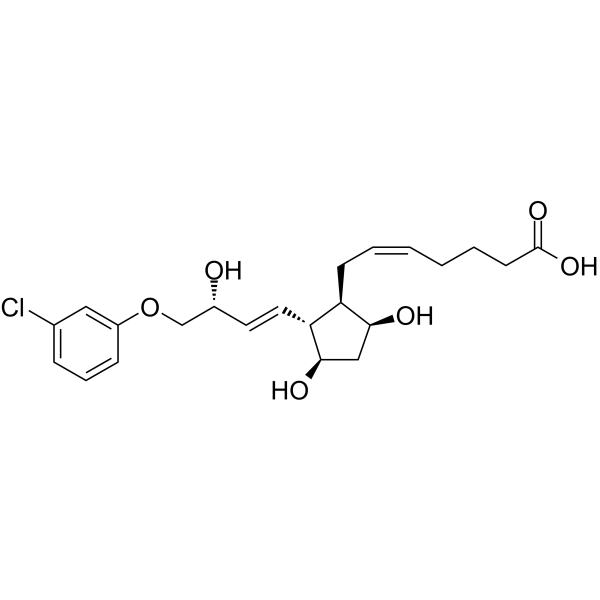 0 ImagesSynonyms: D-Cloprostenol(+)-Cloprostenol is a prostaglandin F2α (PGF2α) analogue, and shows selective agonistic activity at the prostaglandin receptor.
-
Tafluprost acid
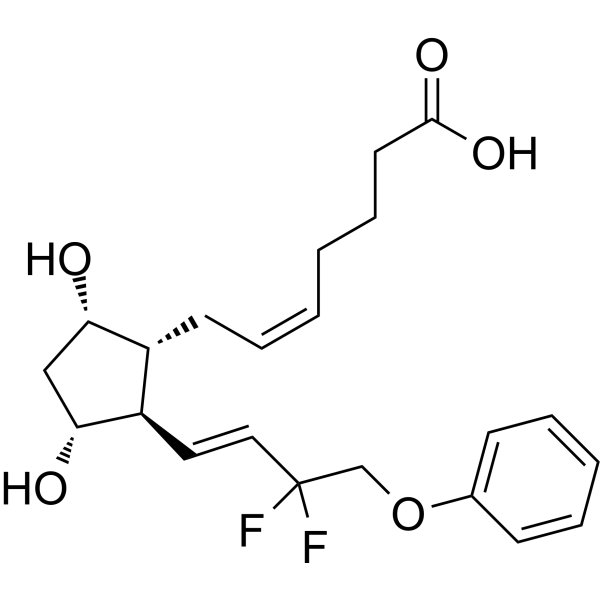 0 ImagesSynonyms: AFP-172Tafluprost acid (AFP-172), an active metabolic form of Tafluprost, is a selective prostanoid FP receptor agonist. Tafluprost acid shows a high affinity for human prostanoid FP receptor with Ki and EC50 values of 0.4 nM and 0.53 nM, respectively. Tafluprost acid has 126 times weaker binding affinity for prostanoid EP3 receptor (IC50=67 nM) than for the prostanoid FP receptor. Tafluprost acid can be used in the research of glaucoma.
-
L 888607
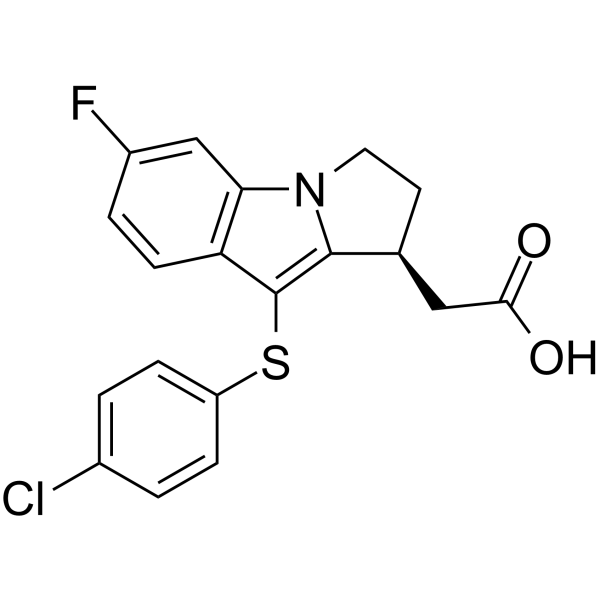 0 ImagesL 888607 is a potent, selective, stable and orally active CRTH2 agonist. L 888607 has high affinity for the human CRTH2 receptor with a Ki value of 4 nM. L 888607 can be used for the research of several physiological events and metabolite.
-
Dinoprost tromethamine salt
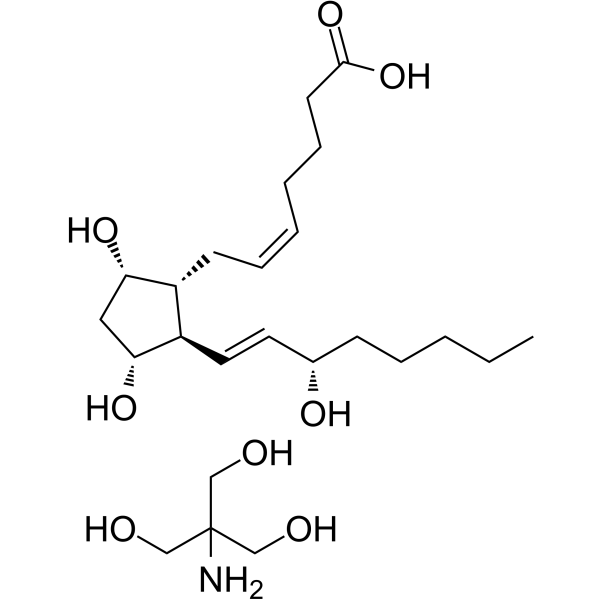 0 ImagesSynonyms: Prostaglandin F2α tromethamine salt; PGF2α THAM; Prostaglandin F2α THAMDinoprost tromethamine salt (Prostaglandin F2α tromethamine salt) is an orally active, potent prostaglandin F (PGF) receptor (FP receptor) agonist. Dinoprost tromethamine salt is a luteolytic hormone produced locally in the endometrial luminal epithelium and corpus luteum (CL). Dinoprost tromethamine salt plays a key role in the onset and progression of labour.
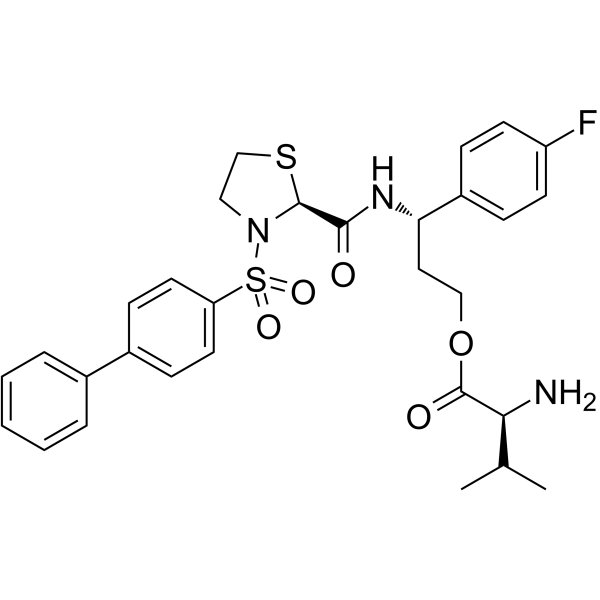
-
PDC31
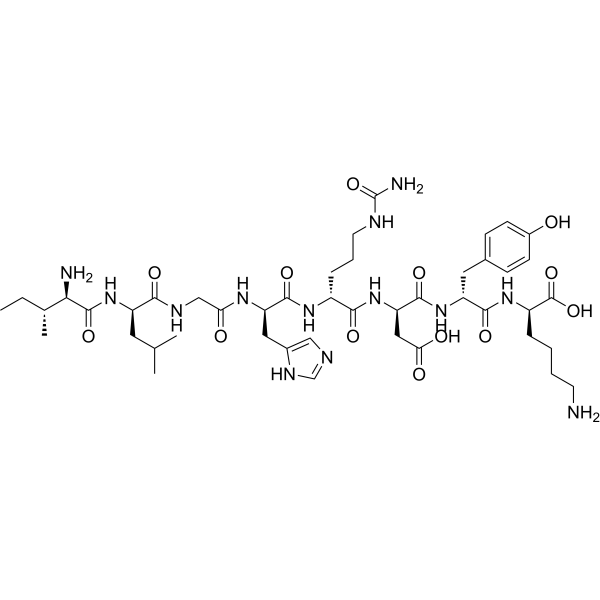 0 ImagesSynonyms: THG113.31; ILGHXDYKPDC31 (THG113.31; ILGHXDYK) is an allosteric and non-competitive inhibitor of FP Prostaglandin Receptor. PDC31 is the D-amino acid-based oligopeptide, is used for smooth muscle contractile agent. PDC31 decreases the strength and duration of uterine contractions in vivo, which can be used for research of preterm labor and primary dysmenorrhea (PD). PDC31 also enhances Ca2+-dependent large-conductance K+-channel in human myometrial cells.
- 1
- 2



